In short: Best time to visit Iceland summer vs winter travel guide Choose the right season for your Iceland trip based on weather, landscapes, Northern Lights and travel style.
Best Time to Visit Iceland: Summer vs Winter Travel Guide
Iceland is one of the most unique travel destinations in the world. It is famous for waterfalls, glaciers, volcanoes, black sand beaches, hot springs, lava fields, dramatic landscapes and the magical Northern Lights. But before planning your Iceland holiday, one of the most important questions is: what is the best time to visit Iceland?
The answer depends on the type of experience you want. Iceland in summer and Iceland in winter feel like two completely different destinations. Summer is better for road trips, long daylight hours, green landscapes and outdoor sightseeing. Winter is better for snow-covered scenery, Northern Lights, ice caves and a magical Arctic atmosphere.
For Indian travellers planning an Iceland trip, choosing the right season can make a big difference to the itinerary, cost, packing and overall experience.
Iceland in Summer
Summer in Iceland usually runs from June to August. This is one of the most popular times to visit because the weather is comparatively milder and the days are very long. In some parts of summer, Iceland experiences the famous midnight sun, where daylight lasts for most of the day.
Summer is ideal for travellers who want to explore Iceland comfortably, especially if they are visiting for the first time. Roads are more accessible, sightseeing is easier and outdoor activities are more convenient.
Popular summer experiences include the Golden Circle, South Coast, waterfalls, black sand beaches, glacier lagoons, whale watching, puffin watching, road trips and highland routes.
Iceland in Winter
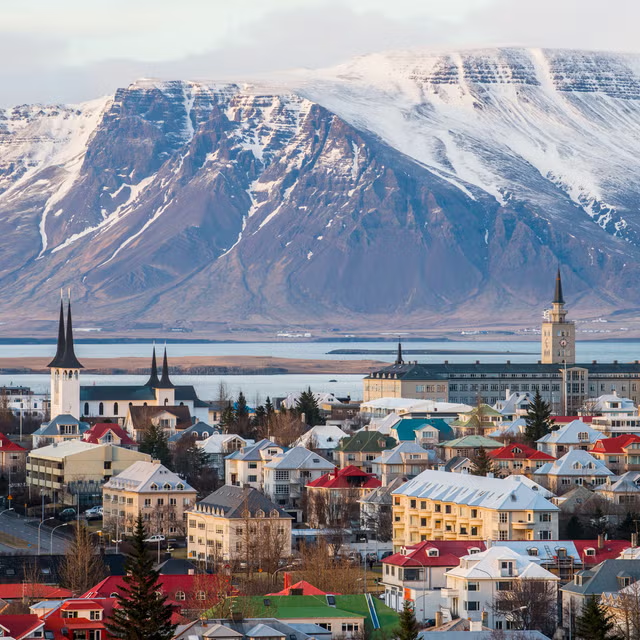
Winter in Iceland usually runs from November to March, with colder weather, snow, shorter daylight hours and dramatic landscapes. This is the best season for travellers who want to experience the Northern Lights, snow-covered scenery and winter activities.
Winter in Iceland feels magical, but it also needs careful planning. The weather can change quickly, roads may be affected by snow and daylight hours are limited. Because of this, travellers should avoid overpacking the itinerary and should keep the schedule flexible.
Popular winter experiences include Northern Lights hunting, Blue Lagoon, Golden Circle, South Coast, ice caves, glacier walks, snow landscapes and winter photography.
Summer vs Winter: Which Season is Better?
Both seasons are beautiful, but they are suitable for different travellers.
Choose summer if you want comfortable sightseeing, road trips, longer days, green landscapes and easier travel conditions. Summer is also better for families, senior travellers and first-time visitors who want a smoother experience.
Choose winter if your main dream is to see the Northern Lights. Winter is also perfect for couples, photographers and travellers who want a more dramatic, snowy and magical experience.
If you are visiting Iceland mainly for nature and road trips, summer is better. If you are visiting mainly for the Northern Lights, winter is better.
Best Time for Northern Lights in Iceland
The Northern Lights are usually visible when the sky is dark and clear. This means winter and the darker months are better for aurora viewing. Travellers commonly plan Northern Lights trips between September and March or early April, depending on weather and darkness.
However, Northern Lights are a natural phenomenon and can never be guaranteed. To improve your chances, stay for at least 4 to 5 nights, travel away from city lights and keep one or two flexible nights for aurora hunting.
Best Time for Road Trips in Iceland
Summer is the best season for Iceland road trips because daylight is longer and road access is generally easier. This is especially useful if you want to explore beyond Reykjavik, the Golden Circle and South Coast.
Summer road trips can include waterfalls, beaches, glacier lagoons, small towns and scenic viewpoints. If you want to do the Ring Road, summer or shoulder season is more comfortable.
Winter road trips are possible, but they require more caution. Weather can change suddenly, and some roads may be difficult or closed. For winter travellers, guided tours are often a safer and more comfortable option.
Best Time for Honeymoon in Iceland
Iceland is a beautiful honeymoon destination in both summer and winter. Summer is better for couples who want relaxed road trips, scenic drives, waterfalls and outdoor sightseeing. Winter is better for couples who want Northern Lights, snow, hot springs and a romantic winter experience.
For honeymooners, Iceland should not be planned like a rushed sightseeing tour. It is better to choose fewer places, better stays and unique experiences like Blue Lagoon, glacier lagoon, Northern Lights tour or a private scenic day trip.
Best Time for Indian Travellers
For Indian travellers, summer is easier because the weather is more manageable and sightseeing is comfortable. It is a good choice for families and first-time visitors.
Winter is better for travellers who are ready for cold weather and want a special Northern Lights experience. Warm clothing, proper shoes, travel insurance and flexible planning are very important for winter trips.
For a balanced experience, September and October can also be considered because travellers may enjoy autumn colours and also get early chances of Northern Lights.
Suggested Iceland Itinerary by Season
Summer Itinerary Idea:
Day 1: Arrive in Reykjavik
Day 2: Golden Circle
Day 3: South Coast waterfalls and black sand beach
Day 4: Glacier Lagoon
Day 5: Blue Lagoon and Reykjavik city
Day 6: Optional whale watching or leisure
Day 7: Departure
Winter Itinerary Idea:
Day 1: Arrive in Reykjavik
Day 2: Golden Circle
Day 3: South Coast winter tour
Day 4: Ice cave or glacier experience
Day 5: Northern Lights tour
Day 6: Blue Lagoon and city leisure
Day 7: Departure
Travel Tips for Iceland
Book hotels and tours early, especially during peak season. Carry layered clothing because Iceland’s weather can change quickly. Do not plan too many long travel days. Keep some flexibility in the itinerary, especially in winter.
For winter travel, guided tours are recommended for comfort and safety. For summer travel, road trips can be planned better if travellers are comfortable with driving and route planning.
FAQs
What is the best month to visit Iceland?
June to August is good for summer sightseeing and road trips. September to March is better for Northern Lights and winter experiences.
Is Iceland better in summer or winter?
Summer is better for road trips and easy sightseeing. Winter is better for Northern Lights and snow landscapes.
Can I see Northern Lights in Iceland in summer?
No, summer has too much daylight, so it is not suitable for Northern Lights viewing.
How many days are enough for Iceland?
A 6 to 8-day trip is good for first-time travellers covering Reykjavik, Golden Circle, South Coast and Blue Lagoon.
Is Iceland expensive for Indian travellers?
Iceland is a premium destination, but smart planning, early booking and the right itinerary can help manage the cost.
Conclusion
The best time to visit Iceland depends on your travel goal. Summer is perfect for road trips, long daylight hours, waterfalls and outdoor sightseeing. Winter is perfect for Northern Lights, snow, ice caves and magical landscapes.
Both seasons offer unforgettable experiences, but the itinerary should be planned differently. For Indian travellers, summer is easier and more comfortable, while winter is more special for aurora lovers.
Planning an Iceland holiday from India? Contact Travelandlive.in for a customised Iceland itinerary with flights, hotels, sightseeing, transfers and visa guidance.
Photo Gallery